New Year, New Campaigns: How Companies Are Rebranding in 2026
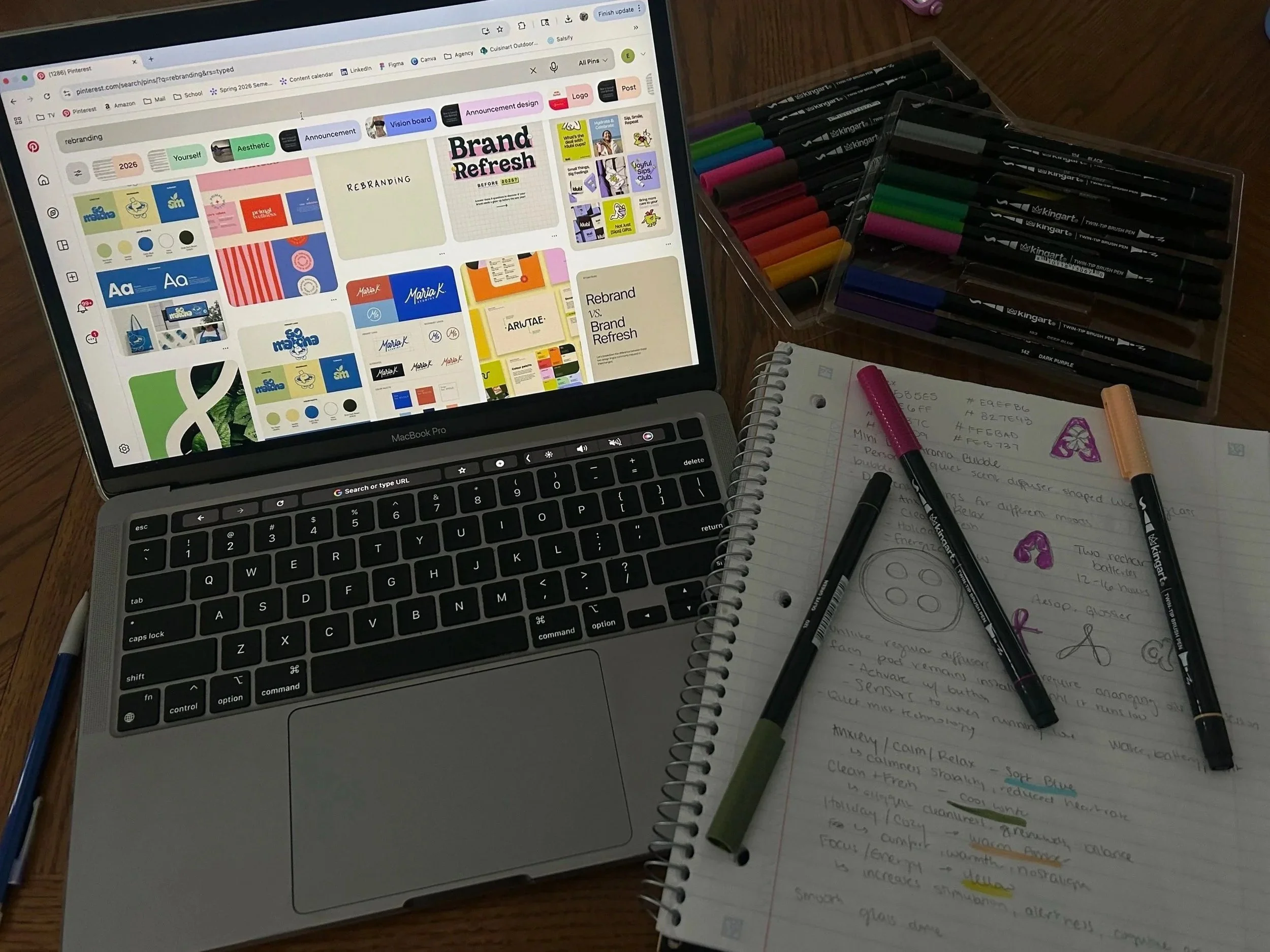
As we turn over the calendar to 2026, brands aren’t just launching new campaigns, they’re reinventing their identities and how they communicate with consumers. This year, much of the focus is less on trendy visuals, and more about adapting to the way consumers view and connect with companies. As AI becomes more prominent in every aspect of our world, companies are boldly forging ahead into new territories. More than ever, companies need to reflect on emotional connection and cultural resonance. Let's look at how these shifts are shaping new campaigns and redefining brands.
Going Beyond Aesthetics
In his article, Branding 2026: fundamental changes, brand strategist Erik Messaki explains “These changes aren’t hypothetical trends. These are real changes that are already shaping approaches in design and communication” (Medium).
1. More Than a Tool: AI, The New Creative Partner
We already know that AI integration is already frontlining into branding and strategizing. Messaki writes that if companies are able to master the use of AI effectively, this will give them a “significant competitive advantage.” AI can be beneficial in assisting with analyzing data, adapting content throughout diverse platforms, and speed up strategic decisions. But, brands need to incorporate a human touch, or they risk feeling too impersonal (Medium).
2. Human Imperfection is Trending
As AI becomes smarter, though, consumers value imperfection even more. It is necessary for companies to lean into asymmetrical designs, hand drawn illustrations, and any design choices that let people know there is an actual human behind this. Incorporating intentional design and not letting AI do all of the work creates a sense of trust and likeability from the user (Medium).
3. Attention is Gold
The internet has become overwhelmed with content, and attention has become the world’s most competitive currency. It is important for brands to focus on not only catching the consumer eye, but also gaining engagement. A major theme for 2026 campaigns is that brands are focusing more on building relationships and influence, rather than just simply selling products (Medium).
Evolving Visual Identity: Key Branding Trends Emerging in 2026
An article from The Brand Strategy Lab highlights how design approaches are being reshaped for flexibility and emotion. Here are some of the key trends consumers should expect to see:
Minimalist, adaptive visual identities: Brands are leaning into clearer, recognizable formatting that stays consistent across devices and contexts (The Brand Strategy). Creating sharp logos, tight color pallets, and quick changing layouts are at the forefront of rebrands (The Brand Strategy).
Motion-first Branding: Movement and behavior are becoming more part of a company's identity than ever before. A shift away from simple, static logos will be key to redefining how consumers connect with and recognize brands (The Brand Strategy).
Audio and multisensory branding: Sound cues and tactile experiences can also be important in building stronger brand recognition. This can add another level of being able to know which brand is being presented, without even looking at a visual (The Brand Strategy).
Think of a well known brand such as Netflix. The logo itself is simple, bold, and recognizable, but the brand has become more than the simple red “N.” Adding animation to the logo itself, as well as the easily recognizable “Tudum” sound is proof that motion and multisensory elements are just as, if not more, important at solidifying brand identity.
A Case Study in Rebranding: Honda’s Bold Reinvention
In 2026, Honda is creating buzz around its logo change. Japanese engineer, Soichiro Honda, recently announced that the automobile's classic “H” symbol is getting a major facelift. The iconic Honda logo has been around for decades, in 2027, the new design will take over all models and corporate touchpoints.

Honda itself says that the new logo is meant to resemble “two outstretched hands” (Motor Trend). It is going to be a sleek, minimalistic redesign that symbolizes the company's commitment to innovation, mobility, and sincere service – showcasing brand philosophy into a bold visual cue.
The new logo isn’t just visual. The company is pushing for more electrification within its vehicles. The new rebrand is a sign that Honda is reshaping what it wants to stand for in the upcoming decade.
What This All Means for Brands in 2026
2026 is the year of replacing superficial trends with meaningful evolution. Whether its incorporating AI into creative workflows, refreshing logo and brand designs, or incorporating multisensory into visual identity. Companies are embracing flexibility, building stronger relationships and identities that respond to human emotion.
As brands plan their campaigns this year, the question is shifting from “How do we look?” to “What do we stand for?”

Hi, I’m Erin!
I’m a graphic designer and creative who loves bringing ideas to life.
When I’m not designing, I’m usually exploring new hobbies, trying something hands-on, or getting inspired by everyday things.
This little corner of the internet is where I share what I’m working on and what I’m learning along the way.
Come Say Hi!
