Judging a Product by Its Cover: How Packaging Shapes What We Buy
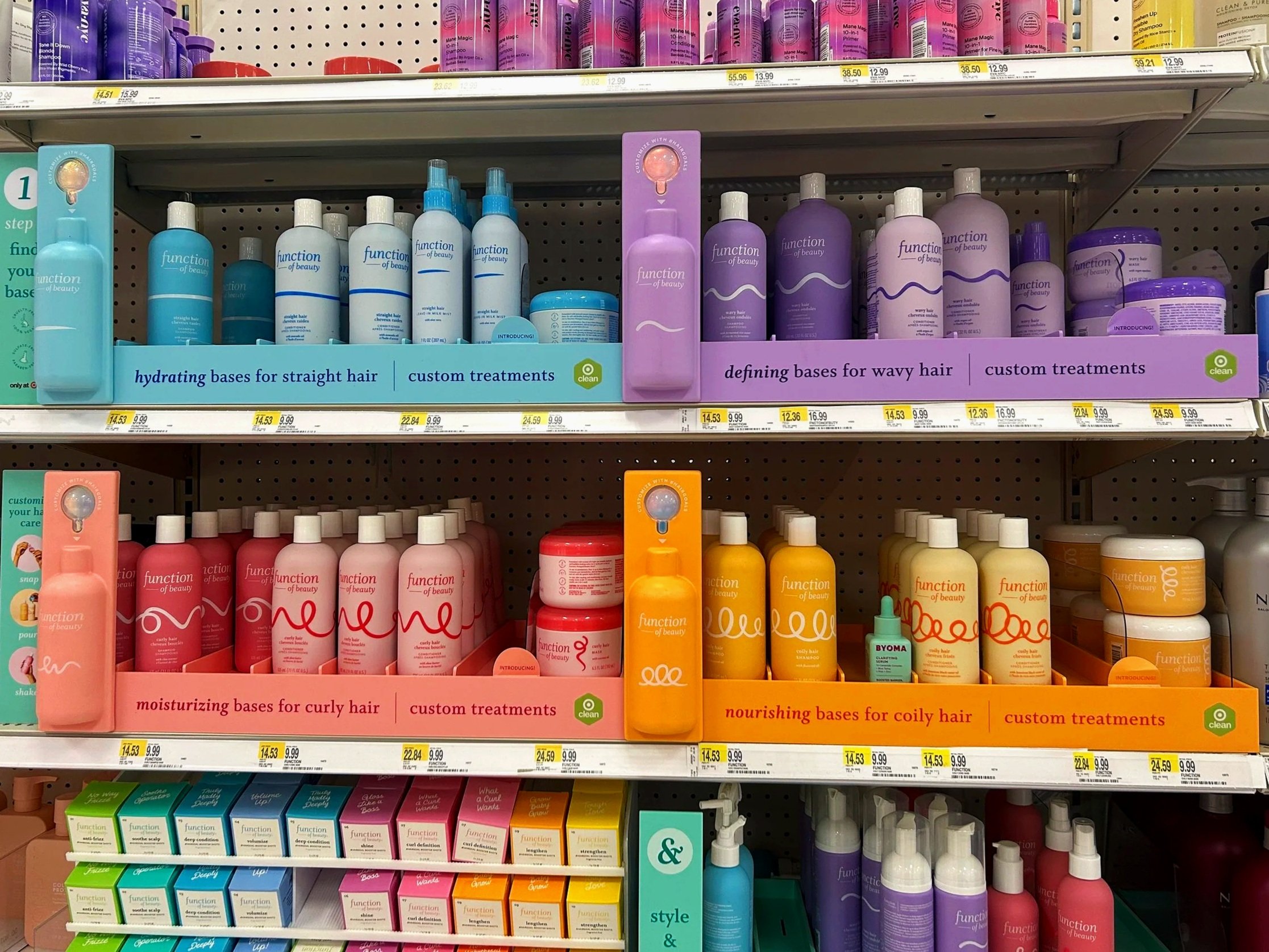
Think about the last time you went shopping.
You probably walked into the store with a mental checklist and headed straight towards products you already know. Without even thinking twice or looking at your options, you grab the same granola bar you’ve been eating for years, the same skincare brand that was recommended to by an influencer, or the cleaning products your mom always had growing up. The majority of us reach for these familiar products without even giving it a second thought.
It's not that we're too lazy to try something else, it's just that we trust what we recognize. Especially when we're in a rush or overstimulated by the endless variations of the same product on the shelf.
But maybe that one time, when you're in less of a rush, something else on the shelf catches your eye. A bold color. A sleek and intriguing typography, or a packaging that looks exciting. Suddenly, you pause. And before you know it, you're putting down that familiar product and picking up the new one. Even though you’ve never heard of the brand before, the packaging makes it feel new, and that interests you. You wonder if maybe this might be even better than what you usually grab.
This is the moment where packaging challenges brand loyalty. Many of our day to day choices are driven by logic and brand reputation, even if we don’t realize it. You might only buy the same brand of coffee every day, or wear only one brand of socks for your whole life. But sometimes new companies put these name brands up to the test, and release products with better packaging that makes someone stop and try it.
Whether it's the design, colors, or overall feel of a product that convinces us to try it, packaging isn’t just the thing that protects what's inside. Packaging can tell a story, create expectations, and spark curiosity. In a store full of familiar name-brand items, that visual pull can be powerful enough to make us step outside our comfort zone and give a new product a chance.
First Impressions Matter
Every product we buy is usually seen before its touched, smelled, or even thought about logically. According to research by Forbes, the first point of contact between a product and a potential buyer is the packaging, and this alone can influence how consumers perceive a product or brand. Most people are quick to make judgements based on what they see first, without connecting what they know about brand reputation or product quality (Robinson, 2024).
Think of packaging as a silent salesperson that speaks before the brain can even form words or preferences.
How Packaging Speaks Directly to
Your Emotions
The way that packaging is designed, the colors, fonts, textures, shapes, isn’t random at all. Visual psychology plays a huge role in decision making, and companies are aware of this. In a recent article by Taylor, a global printing company, they discuss more about the psychology behind packaging. They explain that elements like color psychology, texture, and ergonomics (the science of designing products and environments to fit how people naturally use them, making them more comfortable, efficient, and safe), can influence how a customer feels about the product without even knowing about it (“How Product Packaging Influences Consumer Behavior,” 2026).
For example, brands tend to use warmer and brighter colors to evoke energy, softer blues to inspire trust, and natural textures or sustainable resources to resonate with eco-conscious values.
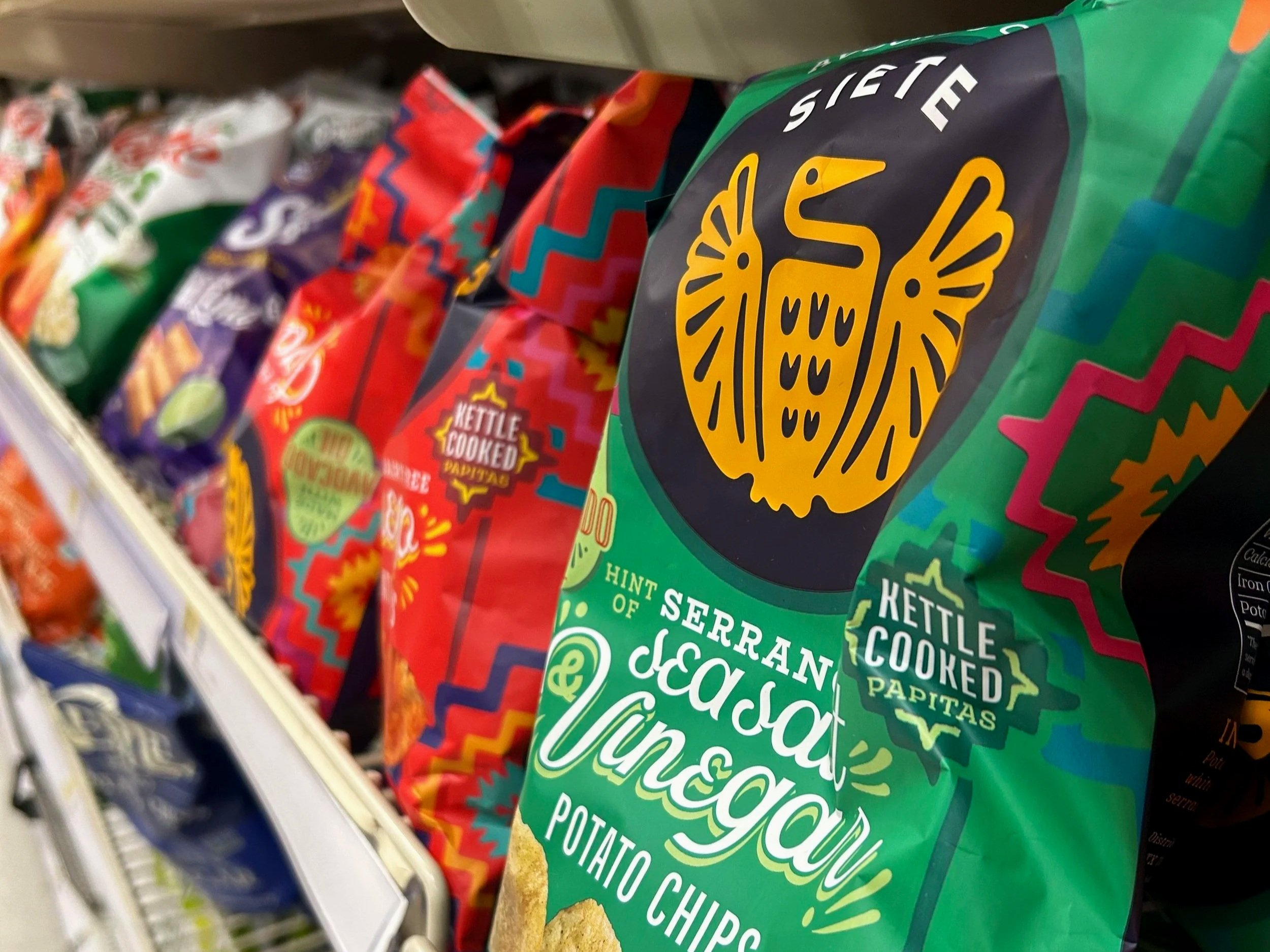
“70% of purchasing decisions are influenced by packaging”
- (“The Customer Loyalty Factor,” n.d.)
Packaging isn’t all about showcasing a product, it's meant to evoke a mood, gain trust, establish status, and even bring out emotions related to memory and nostalgia.
Packaging Can Build Brand Loyalty Too
We’ve talked about how in many cases, packaging can influence initial purchase, but how does it affect consumer retention and loyalty?
Belmark's research shows that once you are able to get a consumer to pick up your product, the packaging continues to influence their experience. In different ways, such as how the product is opened, or how easy it is to use, the packaging can build emotional connection and loyalty to the product or brand.
“[Packaging] sets the foundational tone for the relationship you have with your customers,” and plays a big role in influencing repeat purchases.
- (“The Customer Loyalty Factor,” n.d.)
So Packaging or Brand Loyalty?
The relationship between packaging and brand loyalty isn’t “either/or”. It’s synergetic.
“Packaging design serves as a silent salesperson, speaking volumes about your brand before customers interact with the product. It shapes the overall customer experience, establishing a connection with the consumer that goes beyond the
product itself.”
- (“The Relationship Between Packaging Design and Brand Loyalty,” 2024).
Packaging amongst similar products that remains consistent builds brand recognition from consumers, making it that much easier for people to recall the product and begin to trust the brand over time. The way the packaging is built can also communicate the company's values. Whether the company wants to be viewed as luxurious, simple, sustainable, or authentic all starts with how their products are viewed. That first look at a package can tell the consumer everything they need to know about the product inside before even reading a word.
Package design is often the first driver of attention and initial decision purchase. But, brand loyalty kicks in once awareness is formed, and often leads to repeat purchase. The two work together to keep new customers coming, and old customers coming back for more.

Hi, I’m Erin!
I’m a graphic designer and creative who loves bringing ideas to life.
When I’m not designing, I’m usually exploring new hobbies, trying something hands-on, or getting inspired by everyday things.
This little corner of the internet is where I share what I’m working on and what I’m learning along the way.
Come Say Hi!
